There is a message many of us have written and never sent. It opens with an apology for reaching out, moves into an explanation of how things got this way, adds a promise that it’s only temporary, and somewhere near the bottom finally gets to the request. By then the request is so wrapped in context that it barely registers. We read it back, decide it sounds like too much, and hold the delete key until the screen is blank again. Needing help can feel like a stage of life we were supposed to have finished, and admitting it feels like admitting we fell behind.
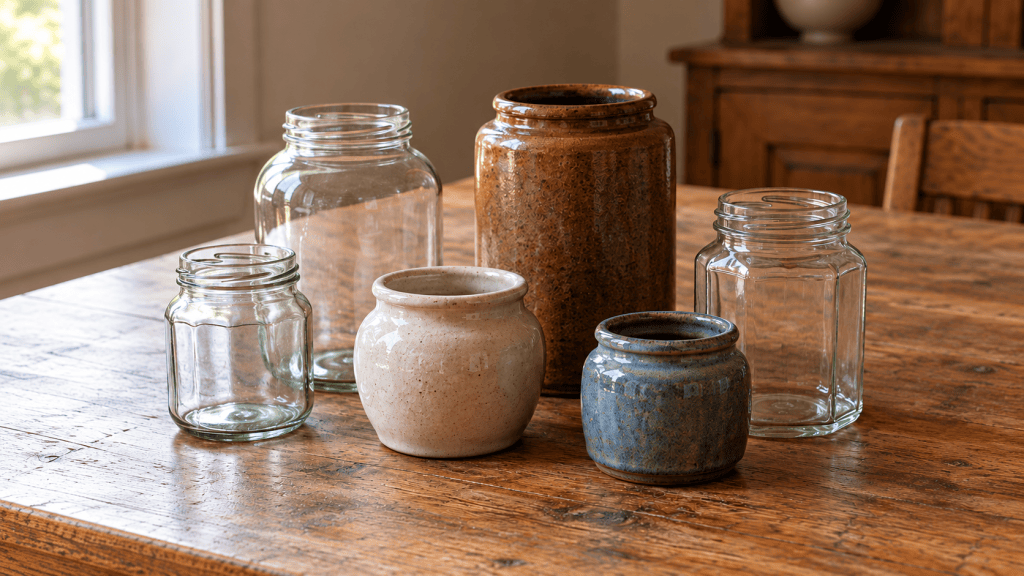
An old story in Second Kings begins with a woman who is already past that point. Her husband has died, a creditor is coming to take her two sons as payment on the debt, and she brings the whole situation to the prophet Elisha. He asks what she has in the house. She tells him nothing, except a jar of oil. He sends her out to her neighbors to borrow empty vessels, and not a few, then tells her to shut the door behind her and her sons and start pouring.
The part people remember happens behind that closed door. The oil moves from one jar into the next, and her sons keep bringing more, until one of them says there are no vessels left. Then the oil stops. Before any of that, though, she has to walk out of her own house and knock on someone else’s. The text keeps no record of what she said at each door or how much of her situation she explained. It only tells us the jars came.
What the neighbors handed over was ordinary. An empty jar was something they could lend. No one had to clear her debt or carry her household. They lent what they had, and those plain containers became the place where the provision showed up. The answer came from God and through the cupboards of the people living around her, and the story makes no effort to separate the two.
That changes how the deleted message looks. We tend to treat asking as what happens when faith or planning or effort runs short. In this story, asking is part of the instruction. The prophet does not leave her alone to wait for oil to appear; he sends her into the neighborhood first, which meant asking other people for something before she had seen how her need would be met.
She closed her own door only after she had stood at theirs. Whatever she said at each house was enough to bring back an empty jar, and the empty jars were enough to hold what came next. Afterward she was told to sell the oil, pay what she owed, and live on the rest. Some of what we are waiting for may already be sitting on a shelf in a neighbor’s kitchen, empty, and it stays there until someone knows we need it.

Leave a Reply